Twirl Logic Puzzle Game
Reviews
Twirl offers a solid collection of logic puzzles that gradually increase in difficulty. The no-time-limit approach reduces stress and allows for thoughtful solving. Each puzzle feels unique, encouraging pattern recognition and deductive reasoning. The interface is simple and responsive. It has good replay value for daily practice and is suitable for all ages. A reliable choice for puzzle fans.
About This Game
Game Introduction
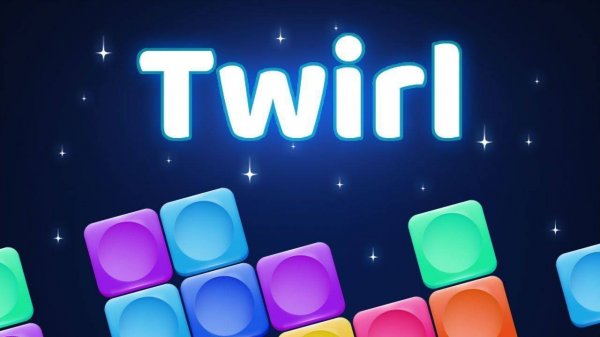
Twirl: Logic Puzzle Game - Brain Teaser is a relaxing puzzle game that challenges your reasoning skills. Each level presents a unique arrangement of shapes, numbers, or sequences. Your goal is to analyze the information, identify the underlying pattern, and select the correct solution to advance. The game is designed to be accessible for beginners while offering enough depth to engage experienced puzzle enthusiasts. There are no timers or pressure, allowing you to think through each step carefully. The clean visual style keeps the focus on the logic, making it a pure and rewarding experience for anyone who enjoys thoughtful play.
How to Play
To play, you start each level by looking at the puzzle on the screen. It might show a series of symbols, a grid of numbers, or a set of objects. Study the arrangement and think about what rule connects them. Then, choose the answer that completes the pattern or solves the problem. Tap or click to make your selection. If you are correct, you move to the next challenge. If not, you can try again without penalty. The game provides immediate feedback, so you learn from each attempt. There are no complex controls to learn, just your own reasoning.
Game Features
Features include a large collection of logic puzzles that never repeat. The content is family-friendly and safe for all ages. Each challenge encourages critical thinking and pattern recognition. The interface is clean and intuitive, with no distracting elements. New puzzles are added regularly to keep the experience fresh.
Tips for Success
Take your time with each puzzle—there is no rush. Look for repeating patterns or sequences in the shapes, numbers, or objects. If you make a mistake, learn from the feedback and try a different approach. Practice regularly to improve your pattern recognition skills. Start with simpler puzzles to build confidence before tackling more complex ones.
Compatibility
System Requirements